


Heavy City
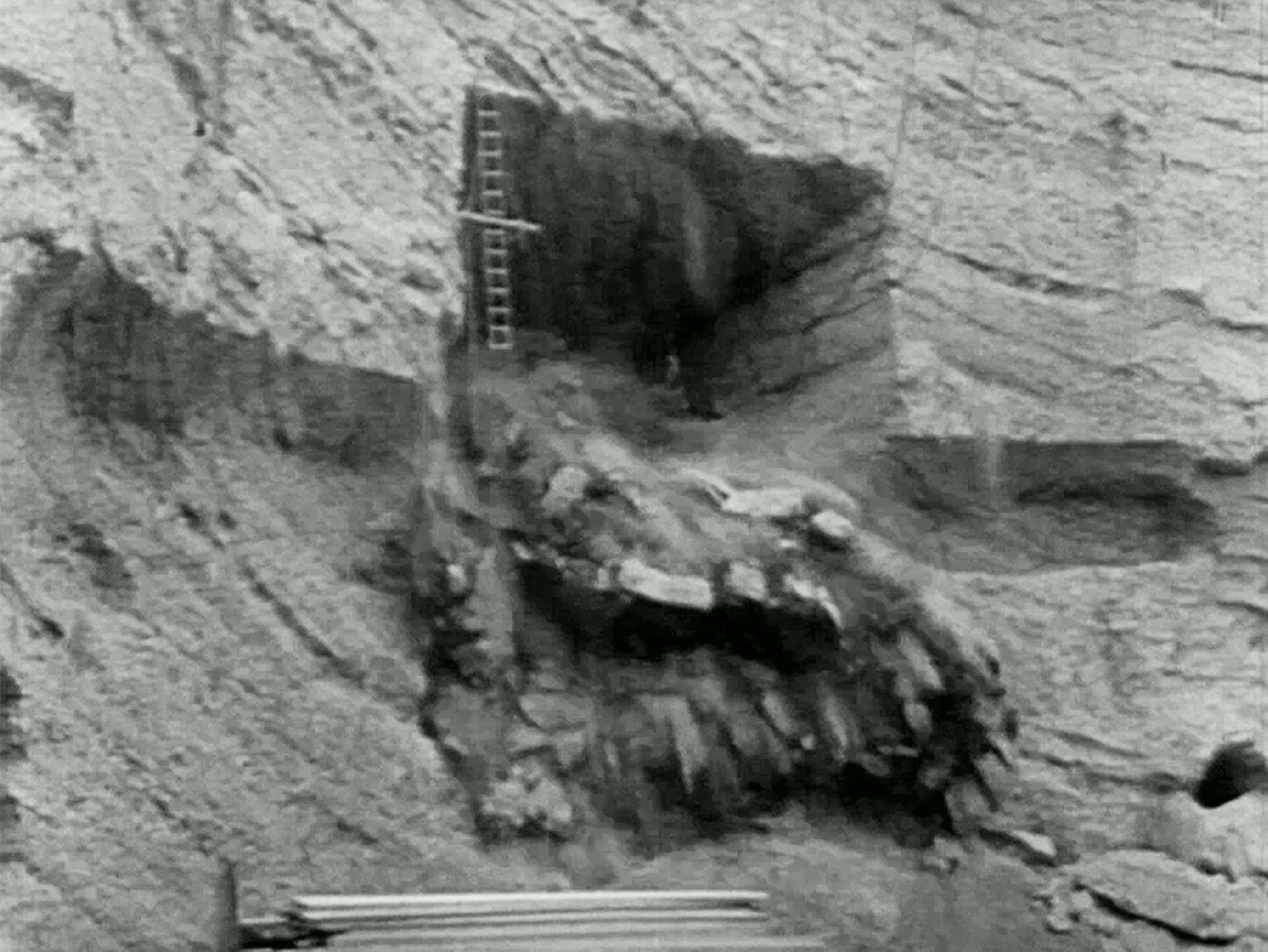
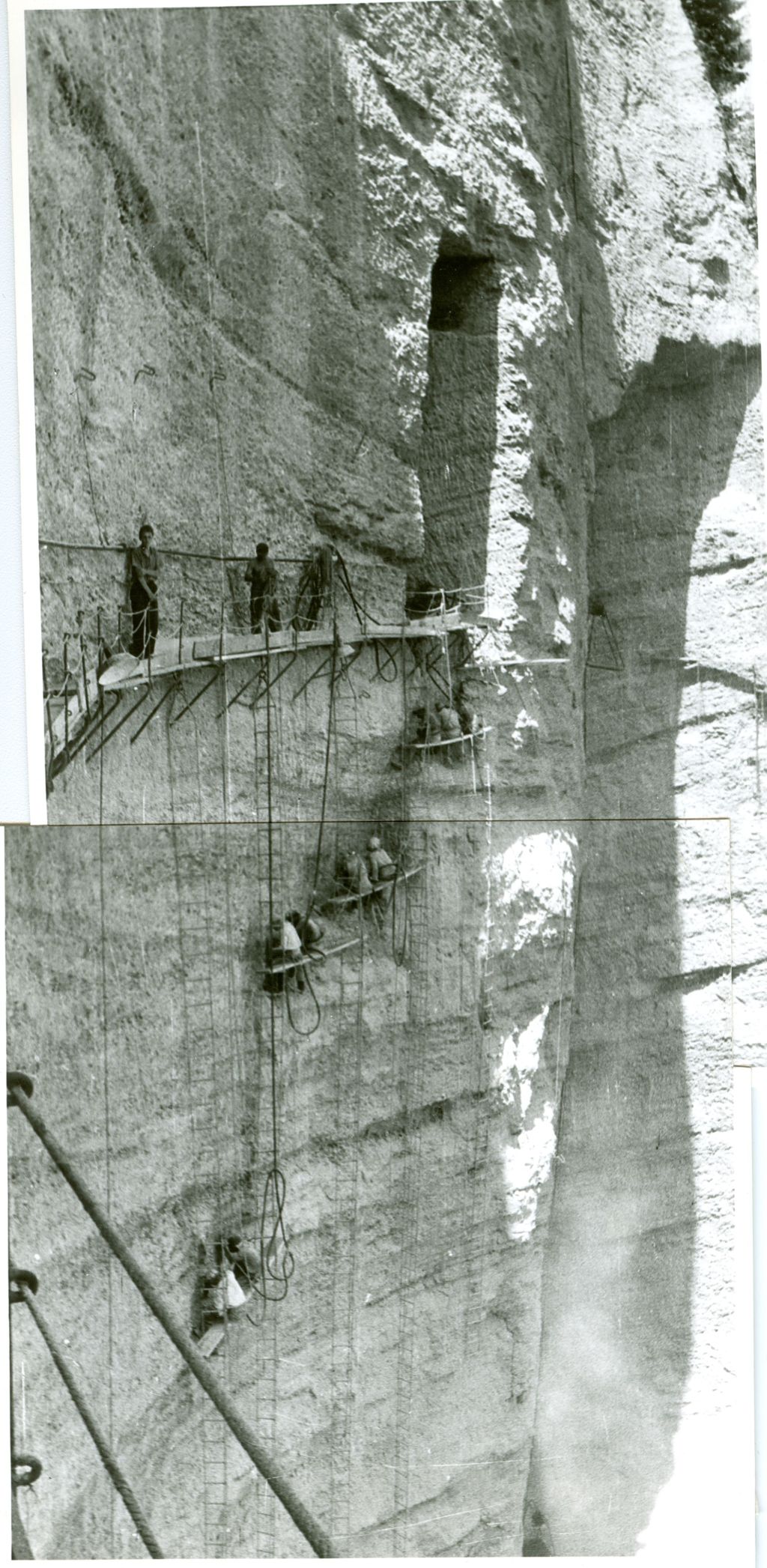
This investigation is set in Salzburg and examines the historical and ongoing transformation of the Salzburg Festival, particularly its expansion into the adjacent mountain, Mönchsberg. Theaters in Salzburg have long been constructed in direct contact with the mountain, incorporating rock into stage spaces, backstage areas, foyers, and offices. The terrain has been dissected, blasted, carved, excavated, displaced, and discarded. A new phase of renovation now continues this trajectory: approximately 150,000 m³ of rock will be removed from the mountain’s interior.
According to prevailing construction protocols, this extracted mass would be transported to peripheral processing sites, crushed into standardized aggregate, and absorbed into global material supply chains. The volume would never be perceived as a coherent entity. This research asks: Can this resource be retained locally and re-imagined as an urban actor?
Accelerated urbanization has intensified architecture’s geological footprint. Extraction, transportation, and redistribution embed architecture into planetary material cycles. Construction becomes a geological layer, both subtractive and accumulative. Yet these transformations remain largely invisible at the scale of everyday perception.
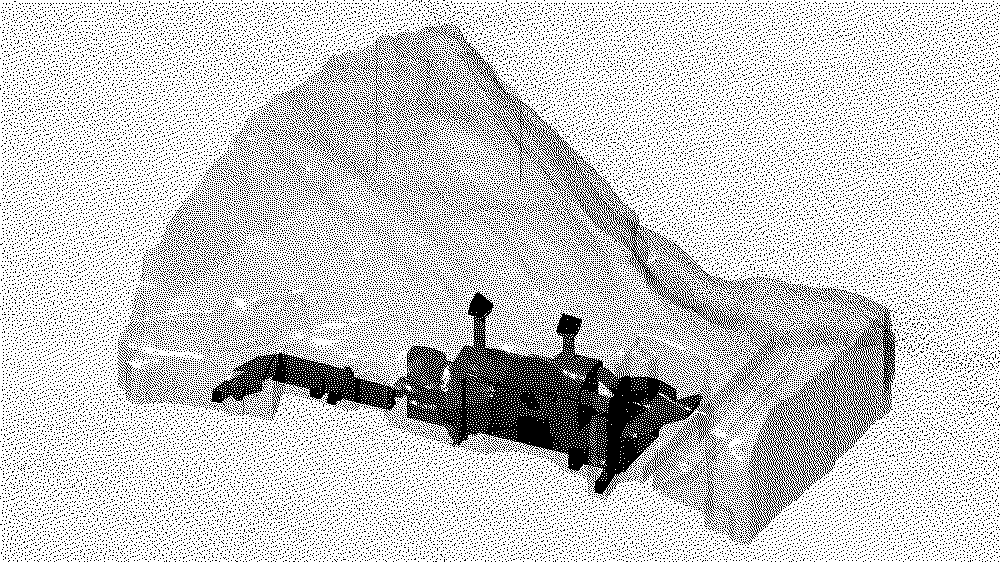
Due to strict heritage regulations prohibiting new visible structures, the theater’s expansion must occur entirely within the mountain’s interior. What appears as preservation on the surface results in an invisible yet intrusive act of terraforming. Over 3–5 years, explosions and excavation will remove 150,000 m³ of material. This is equivalent to thousands of years of geological accumulation, compressed into a few years of construction.
This research proposes design scenarios that render this displacement legible. Where such transformations are inevitable, the project develops ecologically, historically, and culturally informed strategies to reuse the extracted volume locally through monumental and landscape interventions.